
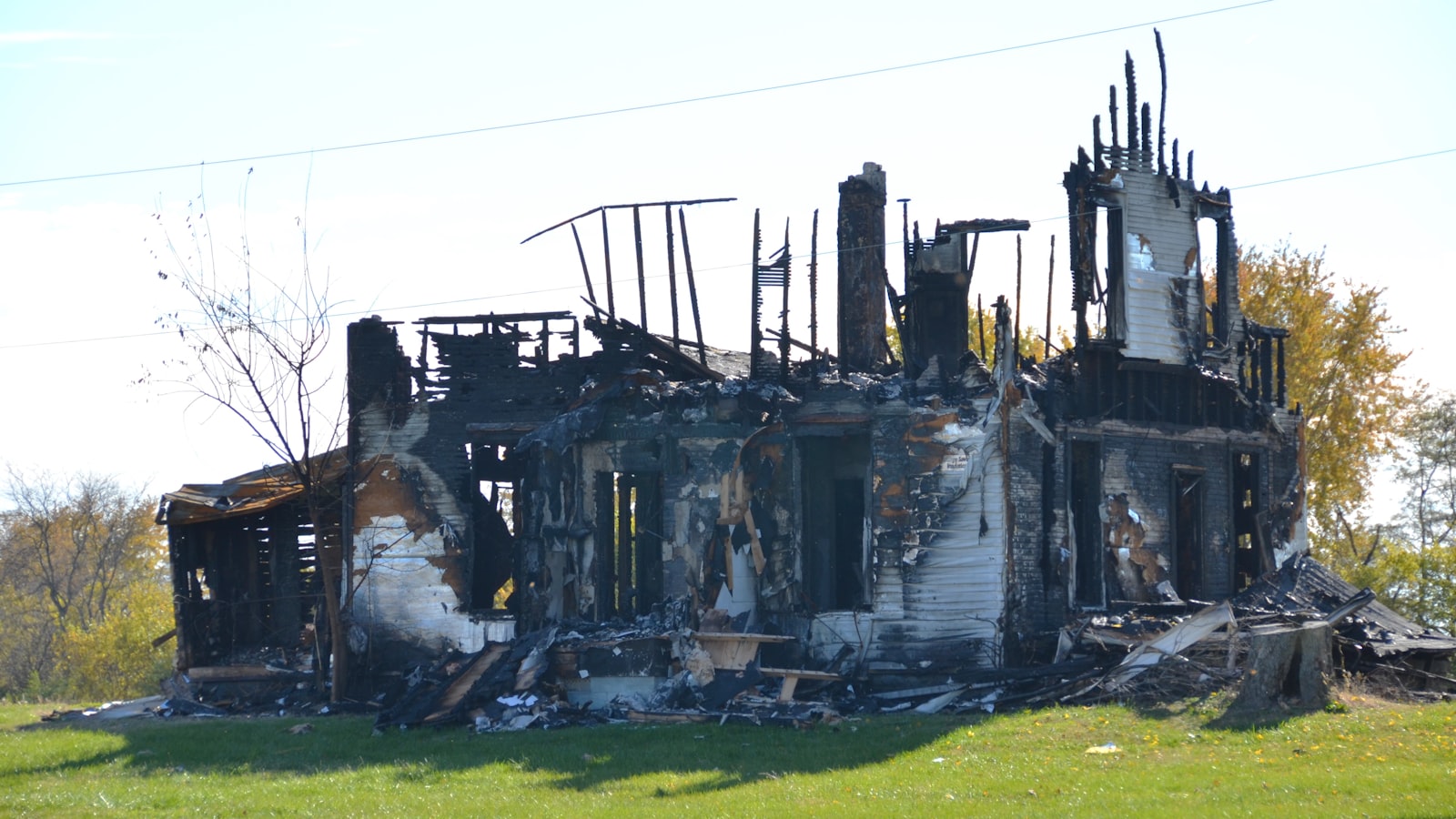
After the Fire: The First 72 Hours in Your Stanislaus County Home — What to Document Before Restoration Starts
The fire is out. The trucks are gone. You're standing in front of your Stanislaus County home — maybe in Riverbank, maybe out toward Oakdale or Modesto — and for the first time since the smoke started, it's quiet. What you do in the next 72 hours will shape your insurance claim, your rebuild timeline, and how much of your loss actually gets covered.
We've walked homeowners through this moment many times, and the pattern is always the same: the families who document early and thoroughly recover faster and fight less with their carriers. Here's the straightforward, hour-by-hour version of what matters.
Hours 0-24: Safety First, Then Paper
Do not re-enter the home until the fire department or building official clears it. Fire-damaged structures hide failures you can't see — compromised trusses, weakened floor framing, gas and electrical hazards. When you are cleared to enter, go in with a flashlight, sturdy shoes, and your phone.
Before you touch anything, start two documents:
- The call log. Every conversation — insurance company, adjuster, fire department, restoration contractors — gets a line: date, time, name, what was said. Claims stretch for months; memory doesn't.
- The photo record. Wide shots of every room from the doorway first, then close-ups. Capture the ceiling in every room — smoke and water damage overhead is the most commonly missed claim item. Photograph what looks fine too; smoke and moisture damage often surfaces days later, and a "before" photo proves it wasn't pre-existing.
Call your insurance carrier within the first day to open the claim, and ask one specific question: what does my policy provide for ALE — Additional Living Expenses? That's the coverage that pays for your hotel and meals, and it starts working for you immediately. Keep every receipt.
Hours 24-48: The Inventory That Pays You Back
Your contents claim — furniture, clothes, tools, electronics, everything inside the structure — will be paid based on what you can demonstrate you lost. The standard most carriers apply is simple: if it's not documented, it's negotiable.
Room by room, photograph and list: item, approximate age, and rough replacement cost. Don't throw anything away yet, even destroyed items — your adjuster may need to see them. If the house isn't secure, ask about board-up service; most policies cover emergency board-up and tarping, and carriers expect you to prevent further loss. That's called mitigation, and skipping it can reduce what they pay.
Two often-forgotten items while you're in there: photograph the attic if it's safe to view from the hatch (heat and smoke rise), and pull serial numbers off major appliances and electronics.
Hours 48-72: Get Independent Eyes on the Structure
By day three, you'll likely have an adjuster scheduled and possibly a preliminary damage estimate forming. This is the moment to bring in a licensed contractor who does fire restoration — not to start work, but to walk the structure and document what a rebuild actually requires.
Why it matters: fire damage is layered. Charred studs are obvious. What's less obvious is smoke infiltration into wall cavities and ductwork, heat damage to roof framing above the burn area, and water damage from firefighting soaked into subfloors and insulation. In California, there's another layer entirely — any significant rebuild must meet current building code, including modern energy standards and, in many areas, Chapter 7A wildfire-resistant construction requirements. An estimate that only prices "putting back what burned" will come up short of what the law requires you to build.
Having a contractor's independent scope in hand before you sit down with the insurance estimate changes the conversation from "trust us" to "let's compare line items."
What Not to Do This Week
- Don't sign a contract on your doorstep. After a fire, out-of-area "storm chasers" appear fast. Take names, but sign nothing in the first 72 hours.
- Don't start cleanup beyond securing the property. Cleaning before the adjuster documents the loss can literally erase evidence of your claim.
- Don't accept "repairable" as final. The difference between a cosmetic repair and a structural rebuild is a determination that deserves a professional second opinion.
When You're Ready, We're Here
Pinnacle Building & Restoration is based in Riverbank, and fire restoration and rebuilds are part of what we do every year in the Central Valley. If your family is facing those first 72 hours right now, we're glad to walk the property, help you understand the real scope, and give you documentation you can put next to your carrier's estimate — no pressure, no doorstep contracts.
Contact Pinnacle Building & Restoration and we'll help you take the next step with clear eyes.