
The Code Requirements Riverbank ADU Owners Don't See Coming: Title 24 Energy, Fire Sprinklers, and What They Add to Your County-Approved Permit
Most of the ADU conversations we have with Riverbank homeowners start with setbacks, square footage, and permit fees. Those are the numbers that show up on the planning counter, so they're the numbers people plan around. But a county-approved ADU permit doesn't stop at zoning. Before the county signs off, your plans also have to clear California's Title 24 energy code and, depending on size and layout, fire sprinkler requirements — and those two items tend to show up late in the process, after a budget is already set.
We're not writing this to scare anyone off an ADU. We're writing it because we'd rather you see these costs on paper in week two than discover them in a plan-check correction letter in month four. Here's what Title 24 and fire code actually require on a Riverbank ADU, what they cost, and how we sequence them into a build so they don't blow up the schedule.
Title 24 isn't optional, and it isn't a formality
Title 24, Part 6 is California's energy code, and every new ADU in Stanislaus County has to show compliance before the county will issue a building permit — not at final inspection, at plan check. That means your energy calculations have to be done, and done correctly, before a shovel goes in the ground.
For a detached ADU, Title 24 compliance typically covers:
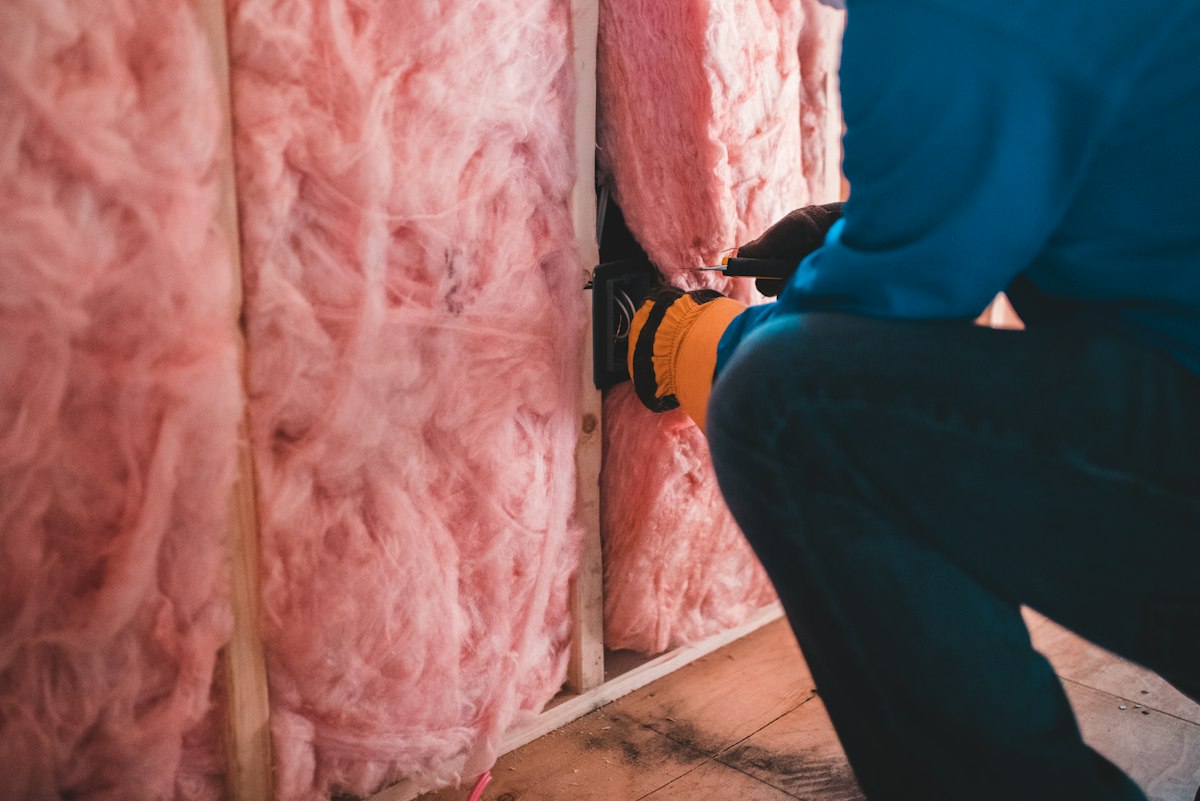
- Insulation values for walls, ceiling, and floor that meet or exceed the prescriptive minimums for our climate zone (most of Riverbank falls in Climate Zone 12)
- Window performance — U-factor and solar heat gain coefficient ratings on every window, not just "dual pane"
- HVAC efficiency ratings on whatever heating and cooling system you install
- Duct sealing and testing, verified by a certified HERS (Home Energy Rating System) rater, not just the installer's word
- Solar requirements — as of the current code cycle, new ADUs over a certain size threshold can trigger solar PV requirements, though there are exceptions for smaller units and units that share a roof with the main house
That HERS rater verification is the piece most owners don't know to budget for. It's a third-party inspection — separate from the county's own inspector — that confirms the ducts, insulation, and envelope were installed the way the energy calcs said they would be. Skip it or fail it, and the county won't close out your permit no matter how good the framing looks.
Line-item cost range we typically see for Title 24 compliance on a standard 600-800 sq ft Riverbank ADU: energy calculations and Title 24 report, $400-$800; HERS rater testing and verification (duct leakage plus envelope, usually two site visits), $900-$1,500; any upsized insulation or window upgrades needed to hit the targets, which varies by design but commonly adds $1,500-$4,000 over builder-grade materials. None of that shows up on a basic permit fee schedule, which is exactly why it catches people off guard.
When fire sprinklers get triggered — and when they don't
This is the question we get the most pushback on, because the answer is "it depends," and nobody likes hearing that about a line item that can run $8,000-$15,000.
Under the California Residential Code as adopted locally, an ADU generally is not required to have fire sprinklers solely because the primary residence has them, and a detached ADU under a certain size threshold built on a lot with an existing single-family home is often exempt outright. Where it gets triggered:
- The ADU is attached to or shares a wall with a structure that already requires sprinklers
- The main house's water supply and pressure can't support the ADU without upgrades, which can independently trigger a fire-flow review even if sprinklers themselves aren't required
- Stanislaus County or the Riverbank fire marshal flags a specific site condition — distance from a hydrant, access road width, or similar — during plan review
We've had jobs where the ADU itself was exempt but the water meter and service line to the property weren't sized to support a second residential unit's fixture count, which turned into its own change order before the county would approve the water connection. That's not a fire sprinkler cost, technically, but it comes from the same root issue: nobody checked site utility capacity against both units' combined demand until plan check flagged it.
The honest answer on fire sprinklers is that we don't know whether your specific lot triggers them until we've pulled your parcel's fire zone designation and reviewed the water service with Riverbank's fire department. We do that review before we finalize a bid, not after, because a $10,000 swing shouldn't be a surprise partway through a project.
Why this matters more in Riverbank than it might elsewhere
Climate Zone 12 runs hot, dry summers and cool winters, which is exactly the kind of swing that makes insulation and HVAC sizing matter for actual comfort, not just code compliance. We've walked into ADUs built to the bare prescriptive minimum where the owner's electric bill in August told the real story. Meeting Title 24 on paper and building an ADU that's actually comfortable and cheap to run are related but not identical goals — we aim for both, because an ADU that costs $300 a month to cool isn't the rental income story anyone wants.
On the fire side, Stanislaus County's rural-urban interface designations vary block by block in some parts of Riverbank, which is why we never quote fire sprinkler costs from a template. Two lots on the same street can land in different review categories depending on access and hydrant distance.
How we sequence it so it doesn't derail your schedule
The mistake we see most often — not from our own clients, but from owners who come to us after a stalled permit with another contractor — is treating Title 24 and fire review as something to handle "when the county asks." By the time the county asks, you're in a resubmittal cycle, which on a Stanislaus County ADU application typically adds 3-6 weeks per round.
Our sequence instead:
- Before design is finalized: pull the parcel's fire zone and water service data, and run a preliminary Title 24 energy model against the proposed floor plan and window layout
- At permit submittal: submit the full Title 24 compliance report and any fire department referral together with the building plans, not as a follow-up
- During framing and rough-in: schedule the HERS rater's duct and envelope testing to align with our own rough-in inspection, so we're not opening up finished walls to fix an insulation gap later
- Before final: confirm the HERS certificate and any fire marshal sign-off are in the county's file before we schedule final building inspection, so final isn't the moment we discover a gap
None of this is unusual or alarming — it's just permitting reality that doesn't make it into the square-footage-and-setbacks version of the ADU conversation. We'd rather walk you through it on day one, with real numbers for your specific lot, than let you find out about it from a correction letter.
If you're planning a county-approved ADU in Riverbank and want the Title 24 and fire review done up front — before a budget gets set around numbers that don't hold — start with our ADU page or contact us to have us pull your parcel's requirements before you finalize a design.