
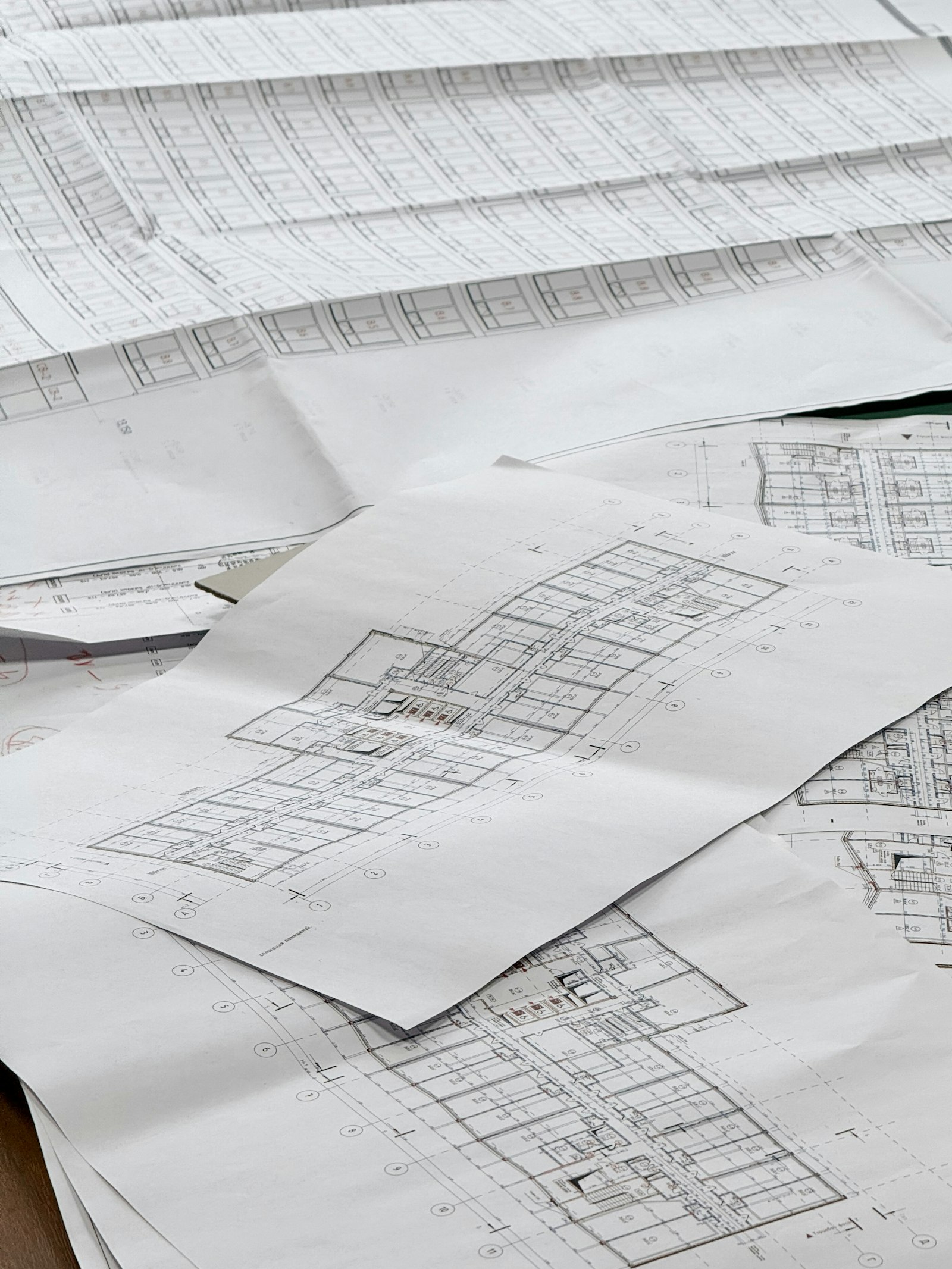
What It Actually Costs to Build a Custom Home in Riverbank in 2026: A Line-Item Breakdown Builders Don't Publish
Ask three builders in Riverbank what a custom home costs per square foot and you'll get three different numbers, none of which match what you actually pay. That's not because anyone's lying — it's because a per-square-foot figure only covers the shell. Everything that turns a shell into a house you can move into gets quoted separately, invoiced separately, and almost never shows up in the number a builder hands you at the first meeting.
Here's the line-item breakdown we walk every Riverbank client through before they sign anything, so the number on your contract looks like the number you actually pay.
Site work: the costs that start before a single stud goes up
Stanislaus County lots vary more than people expect — some are pad-ready, most aren't. Before framing starts, you're paying for:
- Grading and compaction, priced off your soil report, not a guess
- Septic system or sewer lateral connection, which can run from a simple tie-in to a full leach field depending on your lot's distance from the main
- Well or water meter connection, plus any fire-flow requirements the county attaches to new construction
- Temporary power, a construction entrance, and erosion control — small line items individually, real money combined
None of this is optional, and none of it is in a per-square-foot quote. It's priced lot by lot because it has to be.
Foundation and shell: where soil reports move your number
Your foundation design is driven by your geotechnical report, not a standard plan. Expansive clay soils common around Riverbank often call for a more reinforced slab or deeper footings than a builder's base bid assumes. Framing lumber pricing also moves with the market between your bid date and your framing date — on a build that takes 9–12 months, that gap matters. A transparent contractor prices this as an allowance with a clear true-up, not a fixed number that quietly becomes "subject to change" once material orders go in.
Rough-ins: the mechanicals that vary lot to lot
Electrical, plumbing, and HVAC get quoted as one line on a lot of estimates. They shouldn't be, because each one swings on details specific to your build:
- Electrical service size — a home with a shop, pool equipment, or planned EV charging needs a larger panel and service than a base bid assumes
- Plumbing runs — distance from the street connection and the number of wet walls both add footage, and footage adds cost
- HVAC sizing for Central Valley summers — undersizing to hit a lower bid number is the single most common hidden shortcut we see in competing estimates, and it shows up on your power bill for as long as you own the house
Finish-level decisions: the line items you actually control
This is the one category where you have real leverage. Cabinetry, countertops, flooring grade, plumbing fixtures, and exterior materials can move a final number by six figures on the same floor plan. A builder quoting an "allowance" for these categories should tell you what that allowance actually buys — a specific cabinet line, a specific tile tier — not a dollar figure with no reference point attached.
The soft costs builders assume you already know about
These rarely make it into a verbal estimate, but they're on every real contract:
- Stanislaus County plan check and permit fees, which scale with square footage and project valuation
- School and development impact fees, assessed at permit issuance
- Geotechnical and soils reports, required before foundation design on most new-construction lots
- Builder's risk insurance for the duration of construction
- A contingency line — we recommend 10%, and we'll tell you honestly if a bid we're reviewing doesn't carry one
A bid that's missing a contingency isn't a better price. It's a bid that's waiting to become a change order.
What actually determines your number
The honest answer is: your lot's soil, your county's fee schedule, and your finish selections do more to set your final cost than any square-footage average ever will. The builders who publish a flat per-foot number either haven't priced your specific lot yet, or they're leaving line items out on purpose so the first number looks better than the last one.
If you're planning a custom home in Riverbank, Modesto, or anywhere in the Central Valley, we'll walk your lot and give you a real line-item estimate — not a placeholder number. Start with our custom home process or get in touch to talk through your lot specifically.