
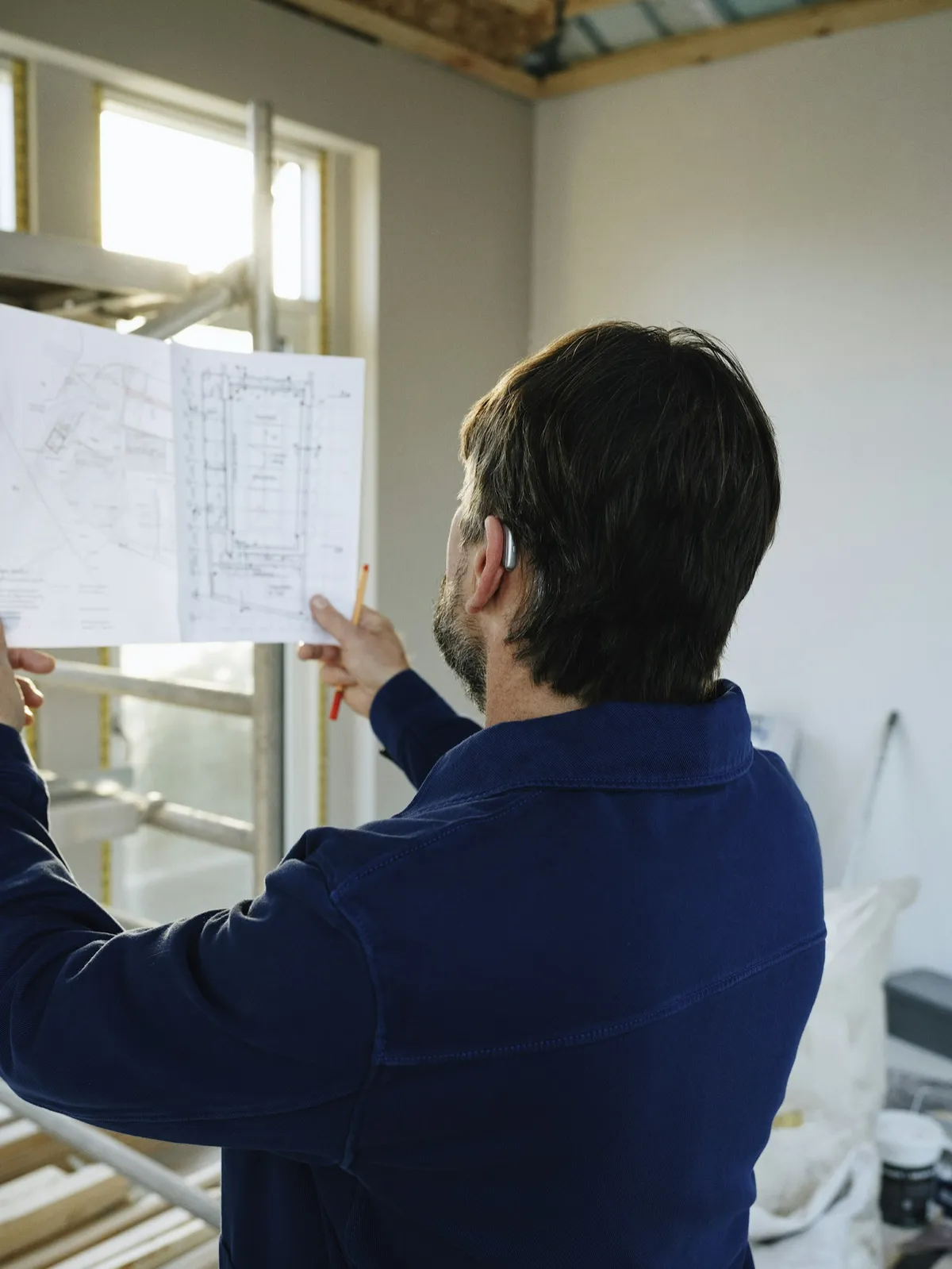
Why "County-Approved" Actually Matters: The Real Risks of an Unpermitted ADU in Riverbank
Every few months we get a call from a Riverbank homeowner who built a backyard unit a decade ago, never pulled a permit, and now needs the county's blessing to sell the house, refinance it, or file an insurance claim after a leak or a fire. The unit is often solid work. It's just invisible to Stanislaus County — no inspection sign-off, no certificate of occupancy, no record it exists at all. That gap is the difference between an asset and a liability, and it's the part of the ADU conversation that doesn't get talked about enough.
"County-approved" isn't a marketing phrase. It means the county has a permit file with your name on it, an inspector has signed off on the foundation, framing, electrical, plumbing, and final walkthrough, and the finished square footage is recorded on your property. That record is what makes the unit count toward your home's value instead of sitting as an unrecognized structure in the county's eyes.
What an unpermitted unit actually costs you
- Appraisals ignore it. A lender's appraiser can't credit square footage that isn't on record with the county. An unpermitted ADU adds livable space to your lot but not to your loan value.
- Insurance can deny the claim. If a fire, storm, or plumbing failure damages a structure the county has no record of, your carrier has grounds to deny or reduce the payout — and in our restoration work, we've seen that denial letter arrive at the worst possible time.
- Sales stall at disclosure. California requires sellers to disclose unpermitted work. Buyers' lenders and title companies flag it, and escrow can drag for weeks while everyone decides whether to force a retroactive permit, a demolition, or a price cut.
- Code enforcement doesn't need a reason. A neighbor complaint, a utility upgrade request, or even a routine county records update can trigger a stop-work or red-tag order on a structure that's been standing for years.
None of that is a hypothetical for Stanislaus County. Riverbank, Modesto, and the surrounding unincorporated county each maintain their own permit history, and none of them retroactively "grandfather in" a structure just because it's been there a while. The county wants a permit application, current plans, and an inspection — the same process as a new build, run backward.
What the approval process actually verifies
When we build a county-approved ADU, the inspections aren't a formality — they're checking the things that matter most once someone is living in the unit: that the foundation and framing carry the load, that the electrical panel and subpanel can handle the added draw without becoming a fire risk, that the sewer or septic connection is sized for another household, and that egress windows, smoke detectors, and fire separation meet current code. A homeowner who skips that process isn't just skipping paperwork — they're skipping the checks that keep the structure safe to live in and insurable to own.
That's also why a retroactive permit on existing unpermitted work is often harder and more expensive than building it right the first time. Inspectors can't sign off on framing or plumbing they can't see without opening walls back up, and the county has no obligation to approve a structure that doesn't currently meet code — even if it's been standing for years.
Building it approved from day one
If you're planning an ADU in Riverbank or anywhere in Stanislaus County, the approval isn't the obstacle between you and the unit — it's what makes the unit worth building in the first place. A permitted ADU adds recorded square footage, qualifies for standard financing and refinancing, and holds up at resale without a disclosure fight. We handle the plan submittal, the inspections, and the final sign-off as part of the build, so the unit you end up with is one the county — and your lender, your insurer, and your future buyer — all recognize as real.
If you've got an unpermitted structure already on your property, or you're planning a new ADU and want it done right the first time, see how we approach county-approved ADU construction or reach out to talk through your lot. You can also see what past clients have said about working with us on our reviews page.