
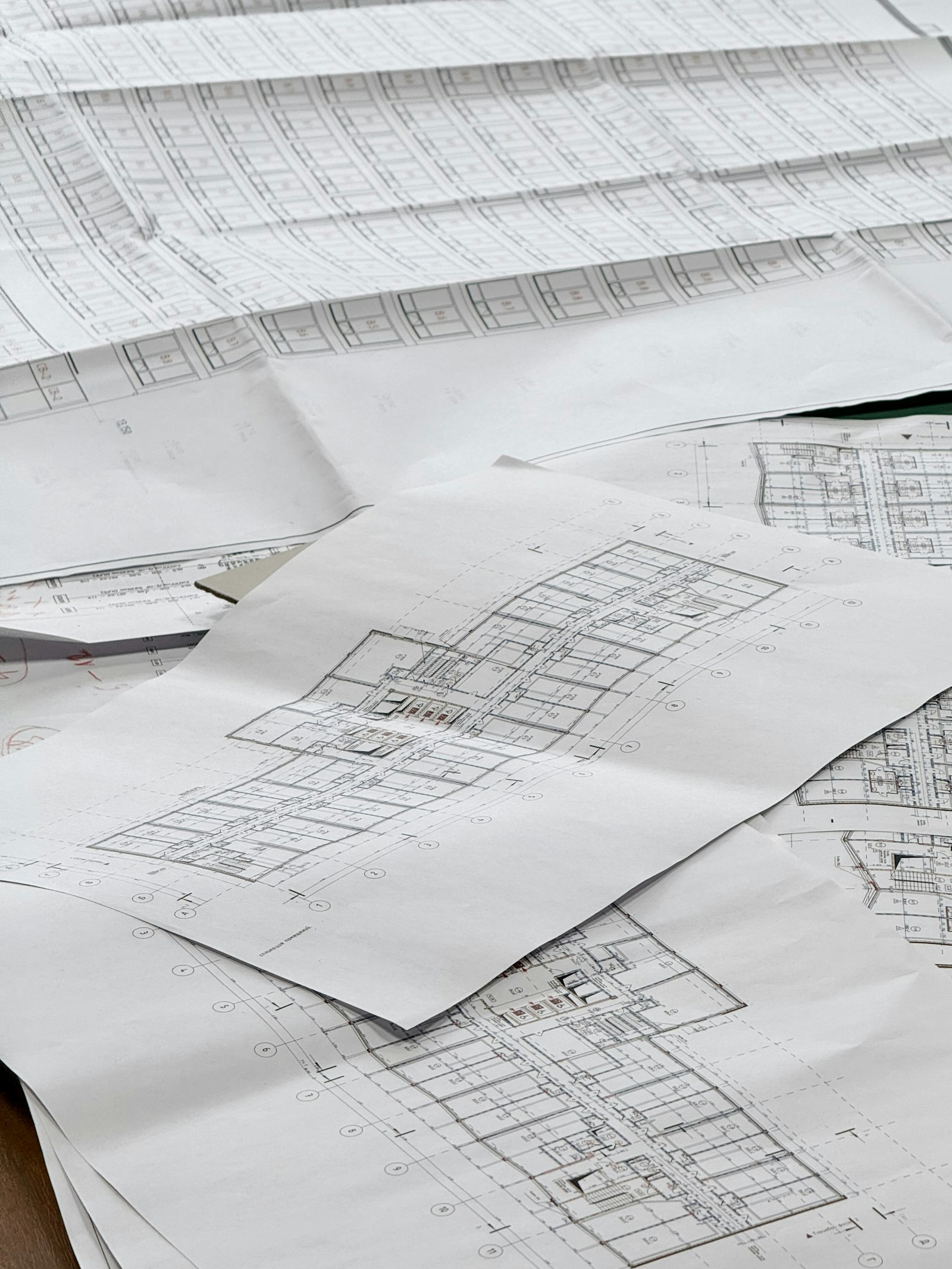
Why Riverbank ADU Permits Get Bounced Back: The Plan-Check Corrections Stanislaus County Flags Most (and How to Avoid Them)
Getting a "county-approved" stamp on an ADU in Riverbank isn't a single event — it's a review cycle. Most homeowners picture submitting plans once, waiting a few weeks, and getting a permit back. In practice, Stanislaus County's plan checkers almost always send a first submittal back with a correction list. That's normal. What separates a build that stays on schedule from one that drags for months is how many correction rounds it takes to clear — and whether the plans were built to avoid the common ones in the first place.
What "Plan Check" Actually Means
Once your ADU plans are submitted, they don't go to one reviewer — they go to several. Planning checks zoning compliance: setbacks, lot coverage, height limits, and whether your parcel even qualifies for the unit type you're proposing. Building checks structural design, egress, and life-safety items. Depending on your site, Environmental Health or Public Works may weigh in on septic capacity, drainage, or utility connections. Each department reviews independently and on its own timeline, which is why a single missing detail in one discipline can hold up the whole file even when everything else is clean.
When a reviewer finds something that doesn't meet code or doesn't match the county's submittal checklist, you get a correction letter, not a denial. You fix the flagged items, resubmit, and the file goes back into the queue. One clean round can mean a permit in a matter of weeks. Three or four rounds of corrections can push that timeline past the length of the actual construction.
The Corrections We See Most Often on Riverbank ADU Submittals
After enough permits through Stanislaus County, the same handful of issues show up again and again:
- Setback and lot-line errors on the site plan. A survey that's off by a foot, or a site plan drawn from an old property line, is the single most common reason a first submittal bounces. The county measures from the actual recorded lot line, not from a fence or a neighbor's assumption of where it sits.
- Incomplete Title 24 energy documentation. California's energy code applies to ADUs just like it does to the main house. Missing or inconsistent energy calculations — insulation values, window ratings, HVAC specs that don't match what's on the floor plan — are an easy, avoidable correction.
- Fire separation and access requirements. Attached ADUs, or detached units built close to a property line, trigger specific fire-rating and access rules. Plans that don't call out wall assemblies or clearances correctly get flagged almost every time.
- Utility capacity that isn't documented. Reviewers want to see that your existing water meter, sewer lateral, and electrical panel can actually support a second unit — or that the upgrade is shown on the plans. Leaving this to "we'll figure it out during construction" is a guaranteed correction.
- Egress, ceiling height, and parking details on conversions. Garage conversions are notorious for this — window sizing for emergency egress, minimum ceiling heights, and parking replacement requirements are easy to overlook when you're starting from an existing structure instead of a clean plan set.
- Missing or unstamped structural calculations. Any engineered element — roof trusses, a new foundation, a retrofit beam — needs calculations behind it. Plans that show the design but skip the engineering backup go straight into the correction pile.
Why the Resubmittal Cycle Costs More Than Time
Every correction round adds weeks, not days — the file has to be fixed, resubmitted, and wait its turn back in the review queue. For a homeowner, that's weeks of living with the disruption of a pending project. For an investor, it's weeks of a unit that isn't earning rent. And if you're carrying a construction loan, every extra month in plan check is a month of interest and holding costs before a shovel even hits the ground. The permit timeline isn't a formality sitting between you and construction — it's directly tied to your budget.
How to Avoid the Back-and-Forth
The fastest path through Stanislaus County's review process starts before you ever submit. A current, accurate survey eliminates the setback problems that trip up so many first submittals. Working from a plan set that's already been through county review — or built by a team that knows the county's specific checklist — means the energy, fire, and structural documentation is complete the first time instead of assembled in response to a correction letter. A brief pre-application conversation with the county, where it's available, can also surface site-specific issues (older septic systems, easements, flood zone requirements) before they become a formal correction months into the process.
None of this is about cutting corners on the review — it's about not giving reviewers a reason to send the file back. A complete, accurate first submittal is still the single biggest lever homeowners and investors have over their own timeline.
Build It Right the First Time
Pinnacle Building & Restoration has taken ADU plans through Stanislaus County's review process enough times to know exactly what each department checks for — and we build our submittals to answer those questions before they're asked. If you're planning an ADU in Riverbank and want a build that moves through county approval without months of back-and-forth, contact Pinnacle Building & Restoration to talk through your lot and get started on plans that are built to clear the first time.